The STEAM Lab - Sciences, Technology, Engineering, Arts, Math - offers a year-long, knowledge- and skills-packed program for teenagers aged 10 to 16. Our team of passionate educators has designed a curriculum that emphasizes hands-on activities and project-based learning. This approach helps students build self-confidence and equips them to tackle the challenges they will encounter as learners. We provide certificate of achievement to enrich job and college applications.
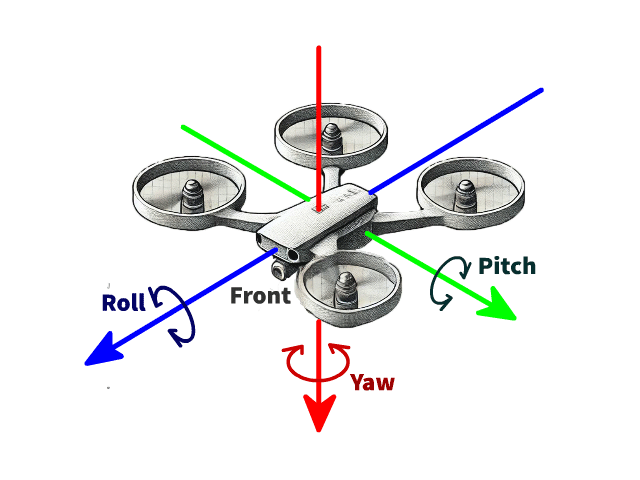
To safely and confidently pilot a drone, a foundational understanding of the science of flight is essential. This is where our program stands apart, offering a professional and rigorous educational experience.
Our curriculum is designed by the Maritimes Instructional Design Studio using the proven principles of Universal Design for Learning (UDL) and Andragogy. The courses are delivered on the Canvas Learning Management System (LMS), a platform widely used in higher education, and utilize a flexible blended-learning method.
Every student's progress is continuously evaluated to ensure a solid grasp of key concepts. Our curriculum is entirely outcomes-based, specifically designed to prepare students for the Remote Piloted Aircraft System (RPAS) Operator Certificate (RPOC).
Drones are assembled from a variety of standard, off-the-shelf components such as a "flight controller", an "electronic speed controller", a "video transmitter", and a "receiver".
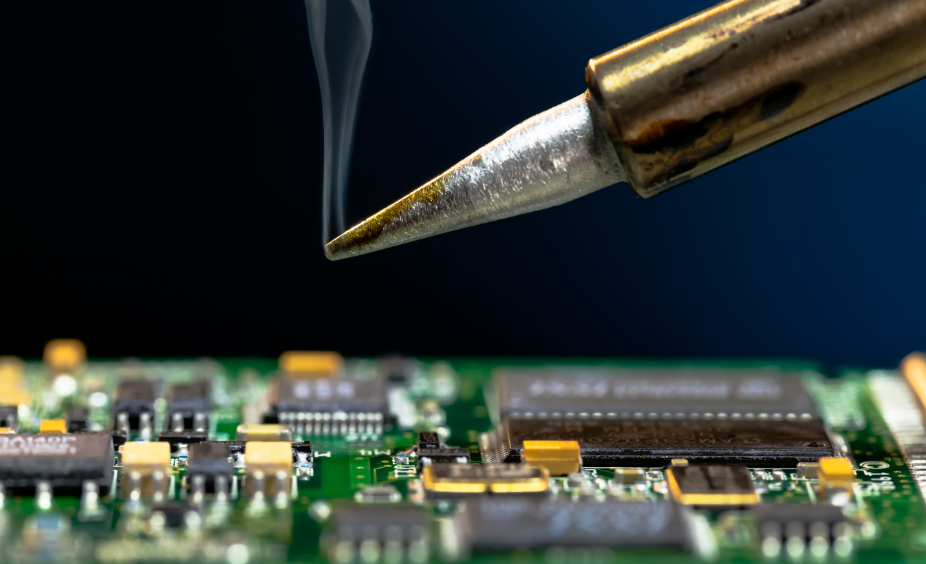
Students will learn to analyze the technical characteristics of each component to select and integrate them effectively, aligning with specific design goals. Following comprehensive training in **soldering**, students will then assemble the motors, battery, and antennas onto the frame, bringing their custom drone to life.
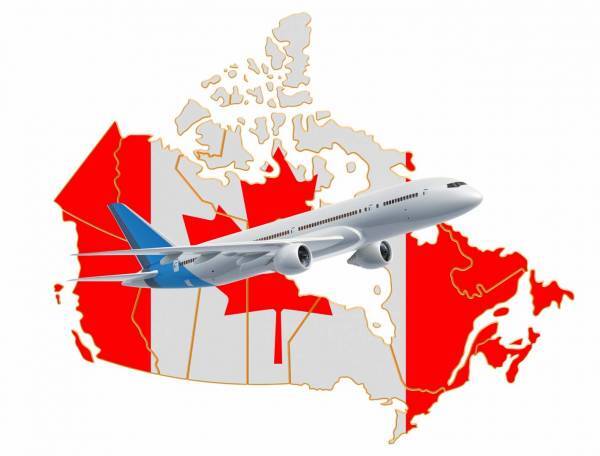
Canada Air Regulations are changing in November 2025.
We offer a way to enjoy immersive First-Person-View flight while strictly adhering to regulations.
Students under 14 must fly under the supervision of a certified pilot. At 16 years old, students can advance to the Advanced Certification and Level 1, which enables long-range flight (Beyond Visual Line Of Sight - BVLOS).
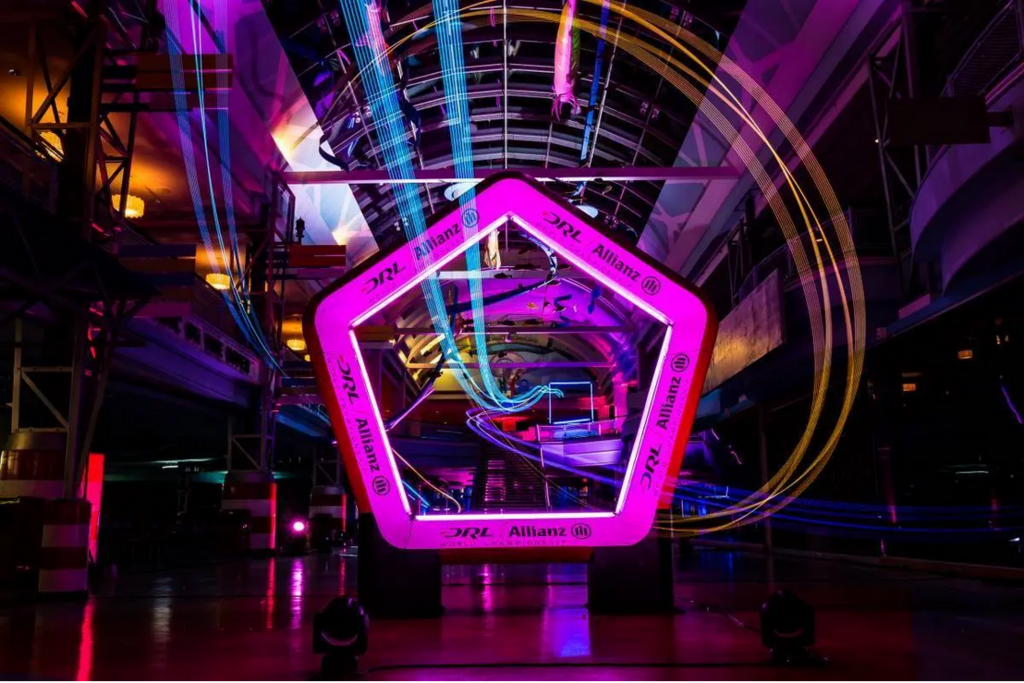
We are thrilled to announce the culmination of our program with an end-of-the-year championship, a final showcase of the skills and passion our students have developed. This exciting event will take place on the first weekend of June 2026. The contest will begin on Saturday with qualifying races and a creative freestyle competition, where pilots will demonstrate their unique aerial artistry. On Sunday, the top-ranked pilots will compete in the finals to determine the program champions. This is a unique opportunity for our students to celebrate their achievements in a professional yet friendly and competitive environment.
What makes a drone fly? What is the Bernoulli effect, and how does it generate lift? What forces do we need to master to take to the skies?
How do we control a drone's attitude in the air? What do propellers do? How do we use the flight controller to perform complex maneuvers?
How do we read the signals of the sky? What do clouds like Cumulus or Cirrus tell us about the weather? How do we stay safe from wind, fog, and rain?
What does the world look like from a bird's-eye view? How do we use GPS and landmarks always to know our position? How do we plan the perfect flight path to get home safely?
How do we control a drone's attitude in the air? What do propellers do? How do we use the flight controller to perform complex maneuvers?
Where did flight begin? How do we perfect our skills with aerobatic moves?
While professional drones can be cost-prohibitive for volunteer fire departments, our students will tackle this challenge head-on. They will design, prototype, and test a purpose-built drone for our brave volunteer firefighters, aiming for a build budget that is only one-quarter the cost of a commercial model. The Statement of Requirements for this technical feasibility study—including specifications for a thermal/low-light camera, long flight time, and GPS with a Return-to-Home feature—has already been finalized in close collaboration with local fire departments.
After meticulously curating the best value for all program materials, we are proud to offer our comprehensive 30-week program for $749. This fee includes full access to our online courses, hands-on in-person blended learning, the registration fee for one RPOC test, all necessary materials for soldering and fleet maintenance, and unlimited hours on our simulators and real-life training grounds. Students are also welcome to use our workshop to build their own projects.
While our program provides all the necessary equipment for training, we understand that many students will want to fly independently outside of the club. For those interested in building their personal fleet, a typical entry-level budget is quite accessible. You can expect to invest around $70 for a remote controller, $150 for FPV goggles, and approximately $250 for a 5-inch drone to get started and continue perfecting your skills.
Meanwhile, we are actively seeking partnerships and sponsorships to lower our costs and offer an even more accessible program. If you know a generous, education-oriented individual or organization, we encourage you to connect them with us directly.
Please follow our adventures through our newsletters:
The privacy and safety of our students is a top priority. We are committed to protecting their identity by never publishing real names or using identifying pictures in our online communications without explicit consent. To ensure all data is managed securely and in compliance with Canadian privacy regulations, our entire infrastructure, including our servers, is hosted right here in Canada.
Whether you want to stay up-to-date on our progress or sign up for a program, this is the place to start.
Interested in supporting our mission? Please reach out directly using the contact form below.